
The Best Smartphones With FM Radio: A Tech Advisor’s Complete 2026 Buying Guide
Most people assume FM radio disappeared from smartphones years ago. It didn’t. It just went quiet. Manufacturers still install FM tuner chips inside a surprising number of budget and mid-range Android devices, but they rarely advertise the feature, and many carriers leave it locked in firmware. If you have ever wondered why your uncle’s old flip phone picks up the local classic rock station without using a single megabyte of data, while your $1,000 flagship can’t do the same trick, this guide explains exactly why, and it shows you which current smartphones still get it right.
I have spent years reviewing phones for a living, and FM radio is one of those features that only matters to you once you actually need it. Maybe you are training for a marathon and don’t want to burn through your data plan streaming music. Maybe you live somewhere with unreliable internet and want live local news during a storm. Maybe you are simply nostalgic for the sound of a real radio DJ. Whatever brought you here, this article covers everything: how FM radio hardware actually works inside a phone, which brands still support it honestly, a full breakdown of the best models on the market right now, and a practical buying framework so you don’t waste money on a phone that promises FM radio but never delivers it.
Why FM Radio Still Matters On A Smartphone In 2026
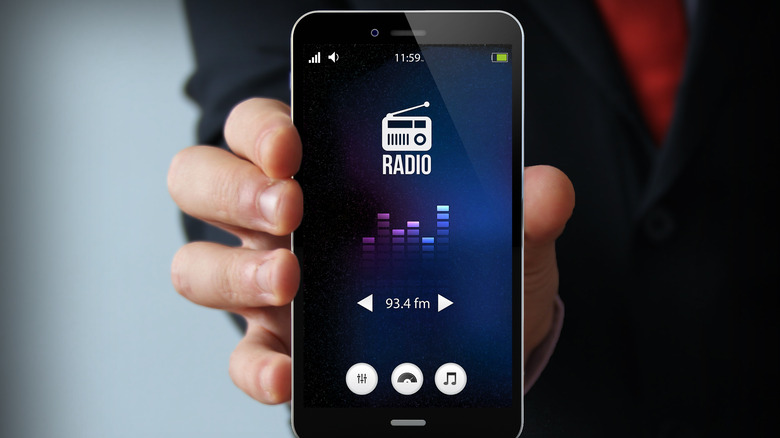
Streaming has not killed FM radio. It has simply pushed the feature into a smaller, more practical corner of the smartphone market, where it now serves three very specific kinds of users.
The first group cares about data savings. Streaming a Spotify playlist or an internet radio app for a full workday can chew through several gigabytes of cellular data every month. A built-in FM tuner uses radio waves, not your data plan, so it costs nothing to run no matter how long you listen.
The second group cares about reliability during emergencies. Cellular networks and Wi-Fi routers can fail during hurricanes, wildfires, floods, and widespread power outages, but FM broadcast towers are built with backup power and tend to stay on air far longer. A phone with a working FM tuner becomes a genuine emergency radio, which is exactly why the Federal Communications Commission and public-safety advocates have pushed manufacturers for years to activate the FM chips already sitting inside most Android hardware.
The third group is simply budget-conscious and practical. Many of the phones that still ship with active FM radios are inexpensive, rugged, or aimed at first-time smartphone buyers, seniors, students, and people in regions where mobile data is expensive or spotty. For these buyers, FM radio isn’t a nostalgia feature. It is a genuinely useful tool for staying informed and entertained without spending another cent.
How FM Radio Actually Works Inside A Smartphone
Before picking a phone, it helps to understand what is actually happening under the glass, because this explains almost every complaint you will read online about FM radio “not working.”
The Hardware: An FM Tuner Chip
Most modern smartphone processors, including budget chipsets from Qualcomm, MediaTek, and Unisoc, include an FM radio receiver as part of the same silicon that handles Wi-Fi and Bluetooth. In many cases, the chip is physically present on the motherboard whether or not the manufacturer ever turns it on. That is the single biggest source of confusion for shoppers: a phone can technically contain FM hardware and still have zero way to use it, because the feature was disabled at the firmware level.
The Antenna: Why You Need Wired Headphones
FM tuners typically don’t use the phone’s cellular or Wi-Fi antenna. Instead, they rely on a thin copper wire acting as a makeshift antenna, and on the overwhelming majority of phones, that wire is the cable of a pair of wired headphones plugged into the 3.5mm jack. This is why so many current flagship phones cannot support FM radio even when the chip is present: they no longer include a headphone jack. A small number of newer devices support “wireless FM,” which uses software to route the signal without a physical antenna, but reception quality on these models is usually weaker and less consistent, particularly indoors or in rural areas with weak signal coverage.
The Software: Why The App Matters As Much As The Chip
Even with working hardware and a proper antenna, you still need an app that can access the tuner. Some manufacturers, including Motorola, Samsung (in most markets outside the United States), and Xiaomi, preinstall a native “FM Radio” app. Others leave the chip dormant, and third-party apps such as NextRadio have historically been used to activate a hidden tuner on supported models, though success depends heavily on carrier restrictions and regional firmware. If you already own a phone and want to check whether it secretly supports FM radio, search your app drawer for “FM Radio,” check your phone’s official specification sheet from the manufacturer’s website, or try a reputable third-party tuner app with wired headphones plugged in.
Quick Answer: The Best Smartphones With FM Radio Right Now
If you only have thirty seconds, here is the short version. These are the smartphones that currently combine a genuinely working, native FM tuner with solid everyday performance, organized by what kind of buyer they suit best.
| Smartphone | Best For | FM Antenna Type | Approx. Price |
|---|---|---|---|
| Motorola Moto G Power (2026) | Best all-around pick | Wired headphones | $199–$249 |
| Motorola Moto G (2026) | Best budget value | Wired headphones | $199 |
| Samsung Galaxy A16 | Best mainstream brand option | Wired headphones | $199–$249 |
| Samsung Galaxy A06 | Best ultra-budget Samsung | Wired headphones | $129–$159 |
| Nokia G22 | Best repairable option | Wireless (no headphones needed) | $170–$200 |
| Nokia XR21 | Best rugged Nokia | Wireless / wired | $450–$550 |
| Ulefone Armor Series (Armor 26 Ultra and newer) | Best rugged outdoor phone | Headset-free wireless FM | $400–$700 |
| CAT S75 | Best for extreme durability | Wired headphones | $700–$800 |
| Redmi Note Series (13 and earlier) | Best for global/import buyers | Wired headphones | $180–$300 |
| Nokia 2780 Flip / Nokia 3210 4G | Best feature phone backup device | Wireless FM | $60–$100 |
Below, I break down exactly why each of these phones earned its spot, what to watch out for, and who should actually buy each one.
In-Depth Reviews: The Top Smartphones With FM Radio
1. Motorola Moto G Power (2026) — The Best All-Around Pick
Motorola has quietly become the most reliable smartphone brand for FM radio in the United States, and the Moto G Power (2026) is the clearest proof. It ships with the “FM Radio” app already installed, and once you plug in a pair of wired headphones, the tuner works immediately with no hidden settings or carrier restrictions to fight through.
Beyond the radio tuner, this phone is a genuinely strong budget device. It carries a large battery designed to comfortably last a full day of moderate use, a 120Hz display for smooth scrolling, a waterproof-rated build, and expandable microSD storage for anyone who wants extra room for downloaded podcasts or offline music. Motorola trimmed wireless charging from this generation to make room for a bigger battery and tougher Gorilla Glass, a trade-off that most budget buyers will barely notice in daily use.
Why it stands out: Motorola has kept the 3.5mm headphone jack on nearly its entire G-series lineup, which is precisely the hardware FM radio depends on. Combine that with a native radio app and a chipset that has supported FM tuning for years, and you get one of the most dependable FM radio experiences on any current smartphone.
Who should buy it: Anyone who wants a genuinely reliable, no-workaround FM radio experience bundled into a phone that performs well for everyday tasks like texting, browsing, and casual gaming.
2. Motorola Moto G (2026) — The Best Budget Value
If the Power model is slightly outside your budget, the standard Moto G (2026) delivers nearly the same FM radio experience for less money. It keeps the headphone jack, the microSD card slot, and Motorola’s native radio app, while trimming a bit of battery capacity and camera resolution to hit a lower price point.
This is a smart choice for students, first-time smartphone owners, or anyone buying a secondary device purely for calls, texts, and casual media consumption. The 120Hz display and stereo speakers with Dolby Atmos support make it feel more premium than its price tag suggests, and Motorola’s clean near-stock version of Android keeps performance snappy even with modest RAM.
Who should buy it: Budget-conscious buyers who want the FM radio feature without paying extra for the “Power” branding’s bigger battery.
3. Samsung Galaxy A16 — The Best Mainstream Brand Option
Samsung is the world’s largest phone maker, and while its flagship Galaxy S series has phased out the headphone jack (and with it, easy FM access), the budget-friendly Galaxy A16 keeps both the jack and a functioning FM tuner. This makes it an appealing option for anyone who wants the Samsung ecosystem, One UI software, and long-term security updates, without giving up terrestrial radio.
The Galaxy A16 pairs a large, sharp AMOLED display with Samsung’s typically excellent software support, including up to six years of security patches on newer models in this line. The FM radio app is generally accessible through the app drawer, though availability can vary slightly by region and carrier, so it is worth confirming with your specific carrier variant before buying if this feature is a dealbreaker for you.
Who should buy it: Samsung loyalists who want long software support and a bright display, and who don’t want to give up their radio habit.
4. Samsung Galaxy A06 — The Best Ultra-Budget Samsung
For shoppers on the tightest possible budget, the Galaxy A06 undercuts most of Samsung’s lineup while still including a headphone jack, a loudspeaker, and FM radio support on many regional variants. It is not a powerhouse. The processor is entry-level and the cameras are basic. But for someone who mainly wants a dependable phone for calls, texts, and local FM stations, it checks every box at one of the lowest price points in Samsung’s current catalog.
Who should buy it: First-time buyers, older relatives, or anyone who wants a dependable secondary phone and does not need flagship performance.
5. Nokia G22 — The Best Repairable Option With Wireless FM
Nokia, now made by HMD Global, has built its entire modern identity around durability, repairability, and old-school reliability, and FM radio fits naturally into that philosophy. Nearly every Nokia Android phone released since 2022 includes wireless FM radio, meaning you do not need wired headphones acting as an antenna. The signal is handled entirely in software and hardware working together, which makes listening far more convenient, especially if you prefer Bluetooth or wireless earbuds for your daily audio.
The G22 pairs this with a genuinely repairable design. iFixit has praised HMD’s approach to user-replaceable batteries and screens, and Nokia even sells official repair kits and instructional guides directly through its website. That means your FM-capable phone is also one of the few current devices you can realistically fix yourself if you crack the screen or the battery starts to wear out.
Who should buy it: Buyers who want wireless FM radio without wired headphones, plus the peace of mind of a phone designed to be repaired rather than replaced.
6. Nokia XR21 — The Best Rugged Nokia With FM Radio
The XR21 takes the Nokia formula and adds military-grade durability. It survives drops from more than five feet onto concrete, operates in extreme temperatures from well below freezing to well above 100°F, and carries an IP68 water and dust rating. Like most modern Nokia Android phones, it supports wireless FM radio, making it a strong pick for hikers, campers, and outdoor workers who want emergency radio access without babying a fragile phone.
Its Gorilla Glass Victus display and NFC support round out a phone that feels closer to a rugged flagship than a budget device, though it is priced accordingly higher than Nokia’s standard G-series lineup.
Who should buy it: Outdoor workers, campers, and anyone who wants rugged durability paired with a reliable FM tuner.
7. Ulefone Armor Series (Armor 26 Ultra And Newer) — The Best Rugged Outdoor Phone
Ulefone has built a loyal following among outdoor enthusiasts, tradespeople, and preppers, and its Armor lineup is one of the very few smartphone families that actively markets “headset-free FM radio” as a headline feature rather than burying it in a spec sheet. Newer Armor models use a built-in antenna system, so you can tune into local stations through the phone’s loudspeaker without plugging in any headphones at all, a real convenience compared to nearly every other brand on this list.
Beyond radio, these phones are built like small tanks. They typically carry MIL-STD-810H certification, IP68 and IP69K water and dust resistance, massive batteries well beyond 10,000mAh on some models, and extras like thermal imaging cameras on select variants. They are heavier and bulkier than a typical smartphone, which is the trade-off for that level of toughness and battery life.
Who should buy it: Construction workers, campers, preppers, and anyone who wants a genuinely rugged phone with the most convenient FM radio implementation on the market.
8. CAT S75 — The Best Choice For Extreme Durability
Built by Bullitt Group under the Caterpillar brand, the CAT S75 is aimed at professionals who destroy ordinary phones on the job site. It exceeds MIL-SPEC 810H standards, survives drops from six feet onto steel, and can be pressure-washed and disinfected without damage, on top of an IP68/IP69K rating that allows full submersion. It even includes satellite messaging for two-way communication in areas with no cellular coverage at all.
FM radio on the S75 works through a wired headphone connection, consistent with most non-rugged-specialist brands, but paired with satellite connectivity and extreme build quality, it becomes one of the most complete “stay connected anywhere” devices you can buy, radio included.
Who should buy it: Field technicians, emergency responders, and outdoor professionals who need a phone that can survive genuinely harsh conditions.
9. Redmi Note Series (13 And Earlier Generations) — The Best Global Import Option
Xiaomi’s Redmi Note lineup has a long history of including functional FM tuners, accessible through the official Xiaomi FM Radio app once wired headphones are connected as an antenna. Models from the Redmi Note 9 through the Redmi Note 13 generation, along with several Poco-branded siblings built on the same hardware, are commonly confirmed to include working FM chips in their global and Indian market variants.
It is worth noting that newer Redmi Note 14 models, and especially any Redmi phone sold specifically for the U.S. market, may not carry the same FM hardware, since Xiaomi’s American availability is limited and carrier variants sometimes strip out the feature. If FM radio is a priority and you are considering a Redmi device, check the specific regional model number against Xiaomi’s official specifications before buying, ideally through an authorized international retailer.
Who should buy it: Shoppers outside the United States, or those comfortable importing an unlocked global phone, who want excellent value alongside FM radio.
10. Nokia 2780 Flip And Nokia 3210 4G — The Best Feature Phone Backup Devices
Not everyone wants a full touchscreen smartphone, and if your main goal is dependable FM radio with an incredibly long battery life, Nokia’s modern feature phones deserve a spot on this list. The Nokia 2780 Flip runs KaiOS, supports basic apps like Google Maps and YouTube, and includes wireless FM radio alongside a battery that can last multiple days on a single charge. The nostalgic Nokia 3210 4G reboot goes even simpler, offering calls, texts, FM radio, and a battery that can stretch to roughly thirty days of standby time.
These are not replacements for a primary smartphone, but they make outstanding secondary devices for hiking trips, emergency kits, or simply digital-detox weekends where you still want access to local news and music.
Who should buy it: Anyone who wants a dedicated backup device, an emergency kit phone, or a simpler daily driver focused on calls, texts, and radio.
Smartphones That Do Not Have FM Radio (And Why)
It helps to understand what you are ruling out, so you don’t waste time hunting for a feature that simply is not there.
Apple iPhone. Every iPhone Apple has ever released lacks a usable native FM radio tuner. Some very old iPhone models technically contained Broadcom chips with FM capability, but Apple never activated the feature in software, and modern iPhones no longer include the necessary hardware or headphone jack to make it work even through a workaround. If you want FM radio on an iPhone, your only realistic option is a streaming app that uses cellular data or Wi-Fi to simulate the experience, which defeats the core benefit of an offline, data-free radio signal.
Most current flagship Android phones. Devices like the Samsung Galaxy S series, Google Pixel lineup, and OnePlus flagships have phased out the 3.5mm headphone jack over the last several years. Even when an FM chip is technically present on the processor, the lack of a wired antenna port makes the feature effectively unusable for the average buyer, and none of these brands currently ship a native FM radio app on their flagship tier.
Carrier-locked and heavily customized regional variants. Even phones from FM-friendly brands like Motorola or Samsung can have the feature disabled by specific carriers, particularly in the United States, where some networks strip out FM apps during customization. Always check the specific model number for your region and carrier before assuming a phone supports FM radio just because a similar model elsewhere does.
How To Buy A Smartphone With FM Radio: A Practical Buying Guide
Step 1: Confirm The Phone Has A 3.5mm Headphone Jack (Or True Wireless FM Support)
This is the single most important checkpoint. If a phone lacks both a headphone jack and dedicated wireless FM support, it cannot realistically support terrestrial radio no matter what the chip inside technically allows. Check the phone’s official specification page for “3.5mm audio jack” or “headphone jack” listed under connectivity or audio.
Step 2: Look For A Dedicated FM Radio App In The Specification Sheet Or Manufacturer Listing
Manufacturers that support FM radio, such as Motorola, Nokia, and most global Xiaomi and Samsung variants, usually list “FM Radio” directly under the “Sound” or “Features” section of their official spec sheets. If you do not see it mentioned anywhere, contact the manufacturer or check enthusiast communities like GSMArena and XDA Forums, where users frequently confirm or deny FM support on specific models.
Step 3: Verify Your Region And Carrier Variant
The exact same phone model can behave differently depending on where it is sold. A Galaxy A16 sold in Europe might have FM radio enabled by default, while a U.S. carrier version could have it disabled. Cross-reference the specific model number, which is usually printed in Settings under “About Phone,” against the manufacturer’s regional specification pages.
Step 4: Decide Between Wired And Wireless FM
If you already own wired headphones and don’t mind plugging them in to act as an antenna, a phone like the Motorola Moto G Power gives you excellent, dependable reception. If you prefer wireless earbuds or want to listen through the phone’s speaker without any cable, prioritize brands like Nokia or Ulefone that build in wireless FM support, keeping in mind that wireless reception can be slightly weaker in areas with poor signal strength.
Step 5: Match The Phone To Your Actual Use Case
A rugged phone like the CAT S75 or a Ulefone Armor model makes sense for outdoor workers and emergency preparedness kits, but it is overkill, and overpriced, for someone who just wants a lightweight everyday phone with a working radio. A budget option like the Galaxy A06 or Moto G is the smarter buy for casual, everyday listening.
Step 6: Test It Immediately After Purchase
As soon as your new phone arrives, plug in wired headphones (if required), open the FM Radio app, and scan for local stations before your return window closes. This single step avoids the most common regret shoppers report: buying a phone specifically for FM radio, only to discover the feature was disabled on their particular carrier variant.
Frequently Asked Questions About Smartphones With FM Radio
Does every Android phone technically have an FM radio chip inside it?
Not every phone, but a large share of budget and mid-range Android devices do include FM-capable hardware as part of their Qualcomm, MediaTek, or Unisoc chipset. Whether that hardware is activated and accessible through an app is an entirely separate decision made by the manufacturer and, in some cases, the carrier.
Why do I need wired headphones to use FM radio on my phone?
On most phones, the thin copper wire inside a pair of wired headphones acts as the antenna that pulls in the FM signal. Without that wire plugged into the 3.5mm jack, many tuners cannot receive a usable signal. A smaller number of phones, mostly from Nokia and Ulefone, use “wireless FM” technology that eliminates this requirement.
Can I get FM radio on my iPhone?
Not through native hardware. Apple has never activated FM tuning on any iPhone, even on older models that technically contained the necessary chip. Your only workaround is a data-based streaming radio app, which requires an internet connection and does not offer the offline reliability of true FM broadcast reception.
Are FM radio apps like NextRadio still useful in 2026?
Third-party FM apps can sometimes activate a dormant tuner chip on supported hardware, but results vary significantly by device, region, and carrier, and success is far from guaranteed. It is generally more reliable to buy a phone that ships with a native, manufacturer-supported FM radio app already installed and working out of the box.
Do rugged phones generally have better FM radio support than regular smartphones?
Yes, in most cases. Rugged phone brands like Ulefone, Nokia’s XR series, and CAT Phones target outdoor workers and emergency-preparedness buyers who specifically value offline communication tools, so these brands are far more likely to keep FM radio active and clearly marketed as a feature, compared to mainstream flagship phones that have quietly phased it out.
Will FM radio drain my phone’s battery quickly?
FM radio typically uses significantly less battery than streaming music or video over cellular data or Wi-Fi, since it does not require an active internet connection or constant data transfer. You can generally expect several hours of FM listening to use a comparable amount of battery to playing offline downloaded audio.
Can I listen to FM radio on my smartwatch or tablet instead?
A small number of rugged tablets and specialty devices include FM tuners, but the feature is far less common outside of smartphones. If FM radio matters to you, it is currently much easier to find reliable support on budget and mid-range phones than on tablets or wearables.
Final Thoughts: Choosing The Right FM Radio Smartphone For You
FM radio has become a quiet specialty feature rather than a standard one, but it has not disappeared, and for the right buyer, it remains genuinely valuable. If you want the most dependable, no-fuss experience with strong everyday performance, the Motorola Moto G Power (2026) is the safest recommendation on this list. If you prefer wireless FM without wired headphones, Nokia’s G-series and XR21 stand out as the most consistent choice. And if you spend your time outdoors or on job sites where durability matters as much as connectivity, the Ulefone Armor series and CAT S75 give you rugged construction alongside a genuinely useful radio tuner.
Whatever you choose, the golden rule stays the same: confirm the specific model and regional variant actually supports FM radio before you buy, since the same phone name can behave very differently depending on where and how it is sold. Do that one bit of homework, and you will end up with a phone that keeps you connected to local news, music, and emergency broadcasts, with or without a data connection.